Upgrading wastewater reuse systems
10 Jan, 2026Upgrading wastewater reuse systems is not only a technical improvement but a long-term economic and...
A Key Factor for Stable Performance, Long Asset Life, and Cost Optimization
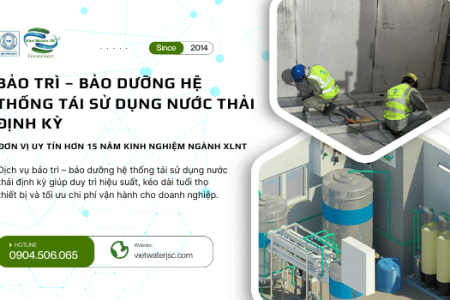
In wastewater reuse projects, maintenance and servicing of wastewater reuse systems are often underestimated compared to design and construction. In reality, improper or irregular maintenance is one of the main reasons why reuse systems suffer from rapid performance decline, unstable water quality, and unexpectedly high operating costs.
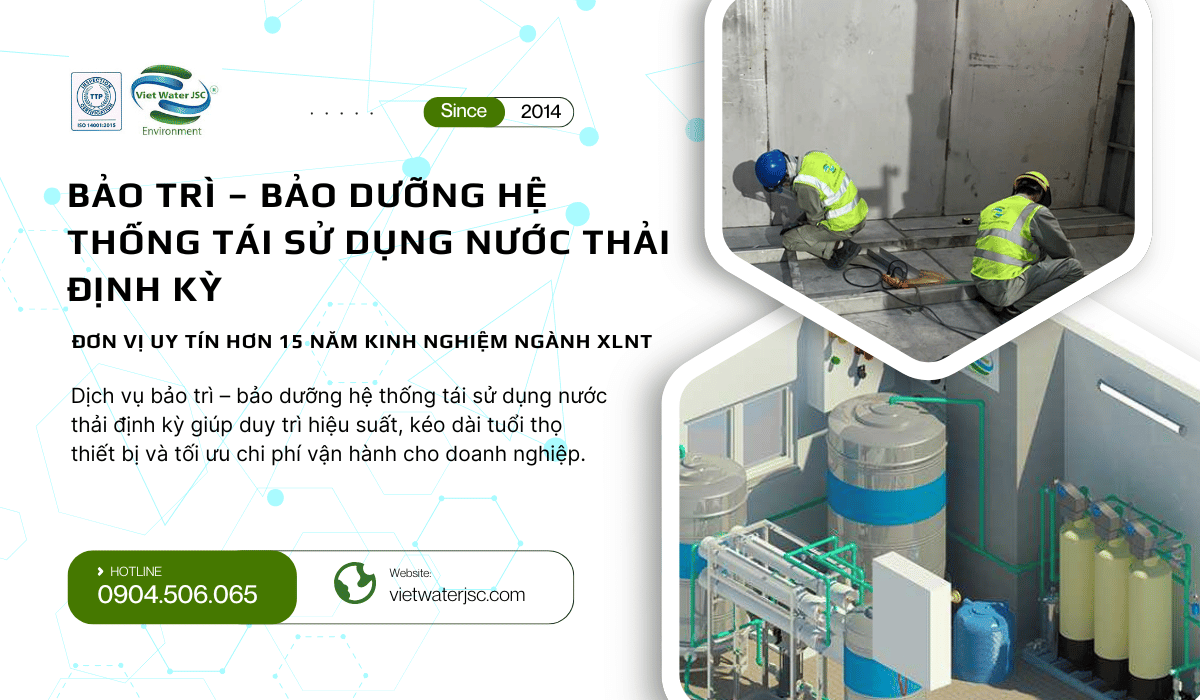
Wastewater reuse systems typically include advanced treatment technologies such as UF, RO, disinfection, chemical dosing, and automation. These systems often operate continuously under challenging water quality conditions.
Regular maintenance and servicing help to:
Maintain stable reuse water quality
Prevent membrane fouling and scaling
Extend the lifespan of UF and RO membranes
Reduce unplanned shutdowns
Control operating expenditure (OPEX)
Ensure compliance with environmental and internal standards
A well-maintained system consistently outperforms a poorly maintained one, even if both were designed using the same technology.
Maintenance activities should be planned for all key system components, not only membranes.
Pre-treatment is the first and most important protective barrier for downstream membranes.
Key tasks include:
Inspection and cleaning of self-cleaning filters
Backwashing of sand and activated carbon filters
Checking pressure drop across filters
Replacement or regeneration of filter media when required
Effective pre-treatment maintenance significantly reduces fouling risk for UF and RO systems.
UF membranes are designed for long service life, but only if maintained correctly.
Recommended practices:
Continuous monitoring of transmembrane pressure (TMP)
Routine backwash and chemically enhanced backwash (CEB)
Periodic CIP based on pressure increase or permeability loss
Visual inspection of membrane modules and connections
Proper UF maintenance stabilizes feed water quality and protects RO membranes.
RO systems are the most sensitive and valuable part of wastewater reuse systems.
Key maintenance activities:
Monitoring differential pressure, recovery rate, and salt rejection
Accurate control of antiscalant and chemical dosing
Timely chemical cleaning (CIP) based on performance indicators
Inspection of pressure vessels, seals, and piping
Delayed or improper RO maintenance can quickly lead to irreversible membrane damage and high replacement costs.
Disinfection ensures microbiological safety of reuse water.
Maintenance tasks include:
Cleaning and replacement of UV lamps or sleeves
Calibration of chlorine dosing systems
Inspection of reuse water storage tanks
Periodic microbiological testing
These activities are especially important for systems supplying reuse water to industrial processes or cooling systems.
Modern wastewater reuse systems rely heavily on automation.
Key activities include:
Calibration of sensors (pH, conductivity, flow, pressure)
Inspection of PLC/SCADA systems
Verification of alarms and safety interlocks
Data backup and performance review
Reliable automation reduces operator dependency and improves system safety.
Maintenance frequency depends on system size, water quality, and operating conditions. Typical guidelines include:
Daily or weekly operational checks
Monthly preventive maintenance
UF/RO CIP based on performance trends
Comprehensive system inspection every 6–12 months
A structured preventive maintenance plan is always more cost-effective than reactive repairs.
From field experience, inadequate maintenance often results in:
Rapid membrane fouling and scaling
Increased energy and chemical consumption
Declining water reuse quality
Frequent system downtime
Shortened membrane and equipment lifespan
These issues significantly increase OPEX and reduce return on investment (ROI).
Well-maintained wastewater reuse systems deliver clear financial benefits:
Lower membrane replacement costs
Reduced chemical and energy consumption
Stable water reuse performance
Predictable operating costs
Extended system service life
In many cases, good maintenance can extend membrane life by several years.
Việt Water JSC provides professional maintenance and servicing solutions for wastewater reuse systems, including:
Preventive maintenance programs
UF and RO membrane CIP services
System performance audits and optimization
Operator training and SOP development
Long-term technical support and troubleshooting
Enterprises can learn more about our solutions at:
👉 WASTEWATER REUSE SYSTEM
Maintenance and servicing of wastewater reuse systems are not optional—they are essential for ensuring stable operation, water quality compliance, and long-term economic efficiency. A proactive maintenance strategy protects equipment, reduces operating costs, and maximizes the return on investment.
With practical experience and strong technical expertise, Việt Water JSC supports enterprises in maintaining high-performance wastewater reuse systems that remain reliable, efficient, and sustainable throughout their lifecycle.
Upgrading wastewater reuse systems is not only a technical improvement but a long-term economic and...
This article presents a practical guide to operating wastewater reuse systems, based on real operati...
This article outlines the construction process and critical considerations for wastewater reuse syst...